


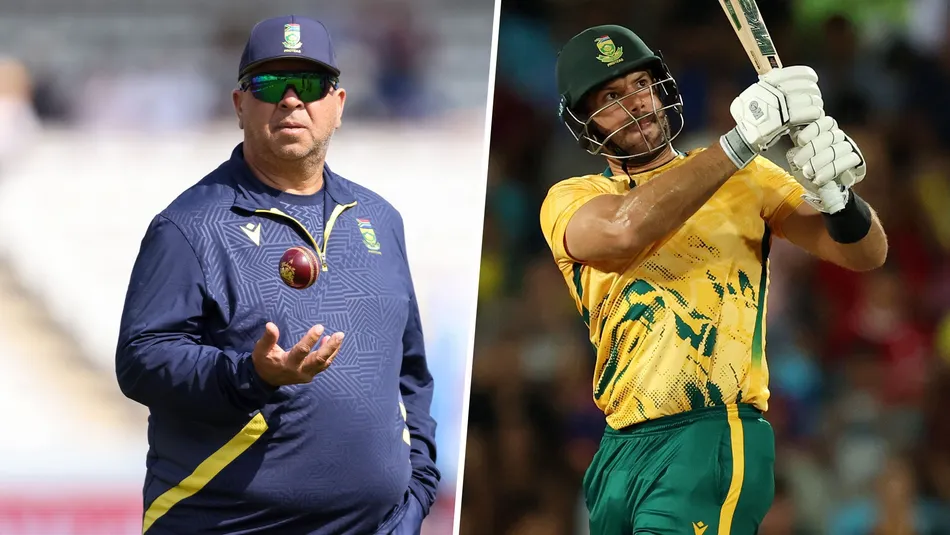
Behind every successful cricket team lies a group of dedicated coaches who work tirelessly to shape strategies, develop players, and maintain team morale. In modern cricket, coaching has evolved far beyond basic skill instruction — it’s now a science that blends psychology, analytics, technology, and leadership. Coaches are the unseen architects who turn raw talent into world-class performance.
The Evolution of Coaching in Cricket
Cricket coaching has undergone a massive transformation over the decades. In the early days, a coach’s role was largely limited Jeetbuzz to teaching batting or bowling techniques. Today, cricket teams have specialized coaches for batting, bowling, fielding, fitness, and even mental conditioning.
Modern coaches operate within a highly data-driven environment. Advanced performance analysis, biomechanics, and video technology allow them to identify minute technical flaws and craft personalized training programs. The focus has shifted from generic team sessions to individual player development, ensuring that every cricketer performs at their peak.
The Strategic Mind Behind the Game
A great cricket coach is also a master strategist. They analyze opponents, create adaptable game plans, and ensure players execute under pressure. Whether it’s setting field placements for specific batters, rotating bowlers to exploit conditions, or managing workloads, coaching has become an exercise in tactical intelligence.
For instance, coaches like Gary Kirsten with India, Trevor Bayliss with England, and Justin Langer with Australia have revolutionized their teams through analytical preparation and man-management skills. Their ability to read the game and make timely decisions often makes the difference between victory and defeat.
The Art of Player Management and Motivation
Coaching in cricket isn’t just about technique — it’s about managing personalities and maintaining team harmony. Modern squads feature diverse cultures, languages, and egos. Successful coaches create an environment where every player feels valued and motivated.
Communication is key. Coaches must inspire confidence, manage expectations, and provide constructive feedback. Figures like John Wright and Brendon McCullum are known for building strong relationships with their players, encouraging open communication and mutual respect.
Mental Conditioning and Psychology
The mental side of cricket has become as important as the physical. Coaches now work closely with sports psychologists to help Jeetwin players handle pressure, recover from failure, and maintain focus in high-stress situations.
Mental conditioning coaches teach visualization, mindfulness, and emotional control — all vital tools in a sport where concentration and confidence can define outcomes. This has been particularly visible in T20 cricket, where the pace and unpredictability of the game test a player’s mindset every second.
Technology and Data-Driven Coaching
Technology has become an integral part of modern cricket coaching. Tools like Hawk-Eye, motion capture, and AI-based performance analytics help coaches measure player performance in real-time.
Video analysis software allows coaches to review matches frame by frame, identifying technical errors or successful patterns. Wearable devices track player fitness, workload, and recovery — ensuring they remain in top condition throughout long tours.
Teams also employ data analysts who collaborate with coaches to refine game plans and opponent strategies. This fusion of technology and intuition defines the modern coaching approach.
Specialized Coaching Roles
Unlike the past, where one head coach managed everything, modern teams have entire coaching units. Common roles include:
- Head Coach: Oversees all aspects of team performance and long-term strategy.
- Batting Coach: Focuses on technical refinement and shot selection.
- Bowling Coach: Works on line, length, and variations for bowlers.
- Fielding Coach: Improves reflexes, catching, and ground fielding.
- Strength and Conditioning Coach: Manages fitness, injury prevention, and endurance.
- Analyst: Provides data insights to support decision-making.
This specialization allows players to receive targeted guidance, leading to more efficient development.
Leadership and Team Culture
The coach’s leadership style directly shapes a team’s culture. A successful coach knows when to be firm, when to encourage, and when to let players express themselves. Coaches like Ricky Ponting and Rahul Dravid emphasize discipline and work ethic, while others like Brendon McCullum focus on freedom and positive intent.
A healthy culture built on trust and accountability leads to consistent success. The best coaches understand that empowering players often yields better results than enforcing strict control.
Case Studies of Coaching Impact
- Gary Kirsten & India (2008–2011): Guided India to the No. 1 Test ranking and the 2011 World Cup win by fostering unity and confidence.
- Trevor Bayliss & England (2015–2019): Revolutionized England’s white-ball cricket, culminating in their first World Cup title in 2019.
- Brendon McCullum & England Test Team (2022–present): Introduced the fearless “Bazball” approach, transforming England’s Test cricket mindset.
These examples show how coaching philosophies can redefine how a team plays and wins.
The Future of Cricket Coaching
The next era of cricket coaching will continue to integrate innovation and psychology. Virtual reality (VR) training, AI-based decision models, and real-time data feedback will become standard tools.
Coaches will increasingly act as mentors rather than just instructors — focusing on holistic player growth, emotional resilience, and leadership development. As cricket grows more competitive, the role of a coach will remain central to unlocking team potential.
FAQ
1. What makes a great cricket coach in the modern era?
A great coach combines tactical intelligence, empathy, communication skills, and the ability to use data and technology to improve player performance.
2. How has technology changed cricket coaching?
Technology allows coaches to analyze player performance in detail, detect technical flaws, and craft data-driven strategies, making coaching far more precise and efficient.
3. Why is mental conditioning important in modern cricket coaching?
Mental conditioning helps players manage pressure, maintain focus, and bounce back from setbacks — crucial traits in a sport that demands consistency and emotional strength.
