


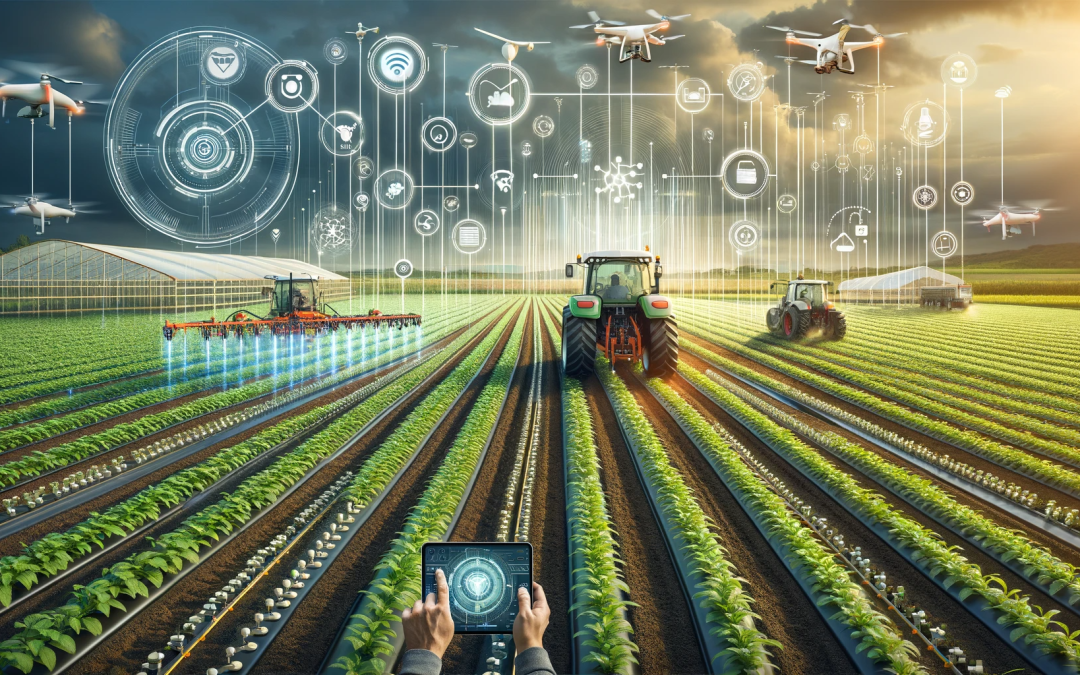
Agriculture has been the backbone of human civilization for thousands of years. From ancient irrigation systems to traditional crop rotation methods, farmers have relied on knowledge passed down through generations. However, with the rapid advancement of technology, the agricultural sector is undergoing a revolutionary transformation. Smart Agriculture: Bridging Technology and Traditional Farming is emerging as a solution that combines modern innovations with time-tested practices to create a more efficient, sustainable, and productive farming ecosystem.
Understanding Smart Agriculture
Smart agriculture refers to the integration of advanced technologies into traditional farming practices. This includes the use of Internet of Things (IoT) devices, sensors, drones, artificial intelligence, and big data analytics. These tools enable farmers to monitor soil conditions, track crop health, optimize water usage, and make data-driven decisions. By leveraging technology, farmers can significantly increase productivity while minimizing resource wastage.
Benefits of Combining Technology with Traditional Methods
- Enhanced Crop Management
Traditional farming techniques like crop rotation and organic fertilization are complemented by technological tools such as soil sensors and weather prediction software. This ensures crops receive the right nutrients at the right time, leading to healthier and more abundant yields. - Resource Efficiency
Smart irrigation systems and precision farming techniques reduce water and fertilizer consumption. By using data analytics, farmers can predict the exact needs of each plot, blending traditional knowledge with technology-driven insights. - Sustainability and Environmental Protection
Integrating technology with conventional farming practices helps reduce chemical overuse, prevent soil degradation, and lower carbon footprints. Sustainable smart agriculture practices protect the environment while maintaining productivity.
Real-World Applications of Smart Agriculture
Farmers around the world are adopting smart agriculture solutions to modernize their operations. Drones can map fields, detect pest infestations, and assess plant health. IoT-enabled devices monitor soil moisture and temperature, while AI algorithms predict crop diseases before they spread. These technologies work alongside traditional farming wisdom, ensuring that modern efficiency does not replace, but rather enhances, centuries-old practices.
The Future of Farming
As the global population continues to grow, the demand for food is increasing. Smart agriculture promises to meet this demand by bridging the gap between technology and traditional farming. Farmers who adopt these solutions can expect higher yields, reduced waste, and more sustainable operations. Ultimately, Smart Agriculture: Bridging Technology and Traditional Farming represents a harmonious integration of the old and the new, shaping the future of agriculture worldwide.
