


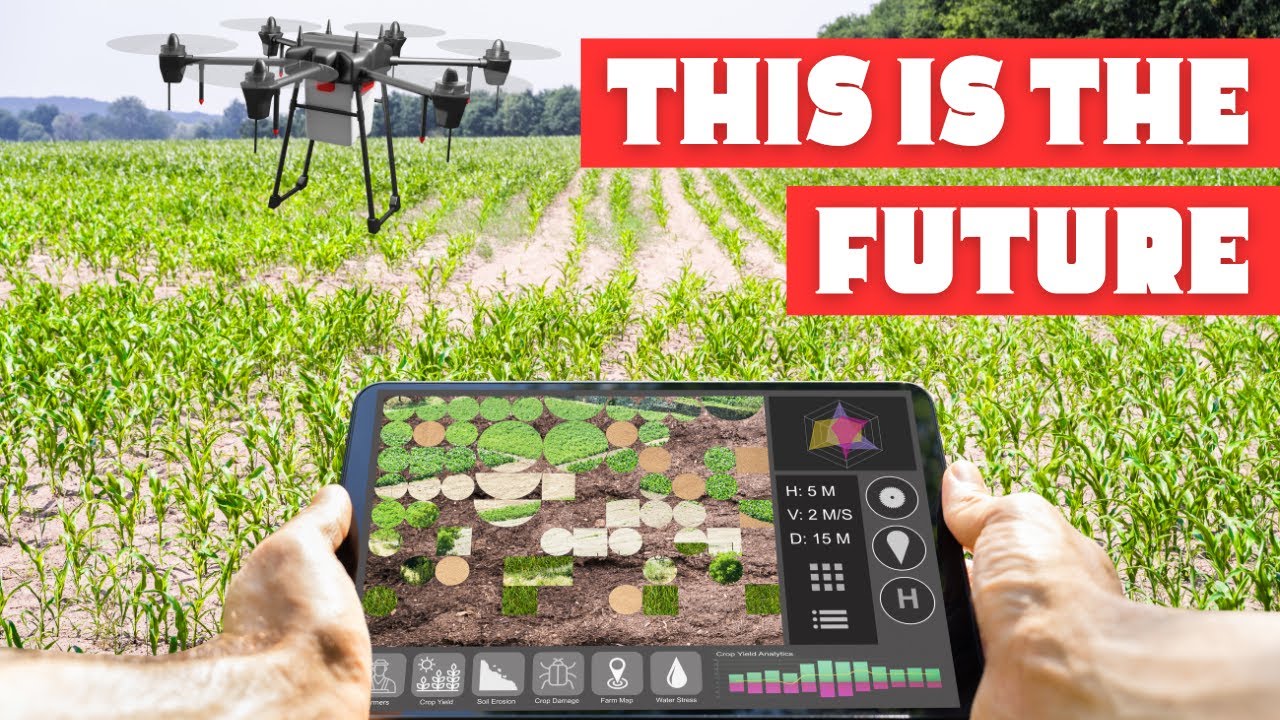
Agriculture has always been a cornerstone of human civilization, but with the growing global population and increasing environmental challenges, traditional farming methods are no longer sufficient. Enter Precision Agriculture Technologies Shaping the Future of Farming—innovative solutions that are revolutionizing how farmers manage crops, soil, and resources efficiently.
Understanding Precision Agriculture
Precision agriculture involves the use of advanced technologies such as GPS, IoT sensors, drones, and data analytics to monitor and manage agricultural processes. Unlike conventional farming, which applies the same treatments across entire fields, precision agriculture tailors interventions based on real-time information about soil conditions, crop health, and environmental factors.
By collecting and analyzing data, farmers can make more informed decisions about planting, irrigation, fertilization, and pest management. This not only boosts crop yields but also minimizes waste, reduces costs, and promotes sustainable farming practices.
Key Technologies Driving Precision Agriculture
1. GPS and Geospatial Tools
GPS-enabled machinery allows farmers to map fields, track equipment, and apply fertilizers or pesticides with pinpoint accuracy. This reduces overlap and ensures that every part of the field receives exactly what it needs.
2. Internet of Things (IoT) Sensors
IoT sensors monitor soil moisture, nutrient levels, and weather conditions in real time. By providing continuous feedback, these sensors help farmers optimize irrigation and fertilization schedules, ensuring crops grow under ideal conditions.
3. Drones and Satellite Imaging
Drones and satellites provide high-resolution images of fields, allowing farmers to detect pest infestations, disease outbreaks, and nutrient deficiencies early. This proactive approach reduces crop loss and increases overall productivity.
4. Data Analytics and Artificial Intelligence
AI-powered analytics tools process large volumes of data collected from sensors, drones, and machinery. These insights help farmers predict crop performance, manage risks, and make precise decisions tailored to individual plots of land.
Benefits of Precision Agriculture
Implementing Precision Agriculture Technologies Shaping the Future of Farming brings multiple benefits:
- Increased Efficiency: Resources like water, fertilizer, and pesticides are used optimally.
- Higher Yields: Precision interventions improve crop health and maximize output.
- Environmental Sustainability: Reduced chemical usage lowers pollution and conserves natural resources.
- Cost Savings: Targeted application of inputs reduces waste and operational costs.
The Future of Farming
The adoption of precision agriculture is expected to grow rapidly as technology becomes more accessible and affordable. Farmers who embrace these innovations will not only increase productivity but also contribute to a more sustainable and resilient food system. Precision Agriculture Technologies Shaping the Future of Farming are no longer just an option—they are essential tools for the modern agricultural era.
