


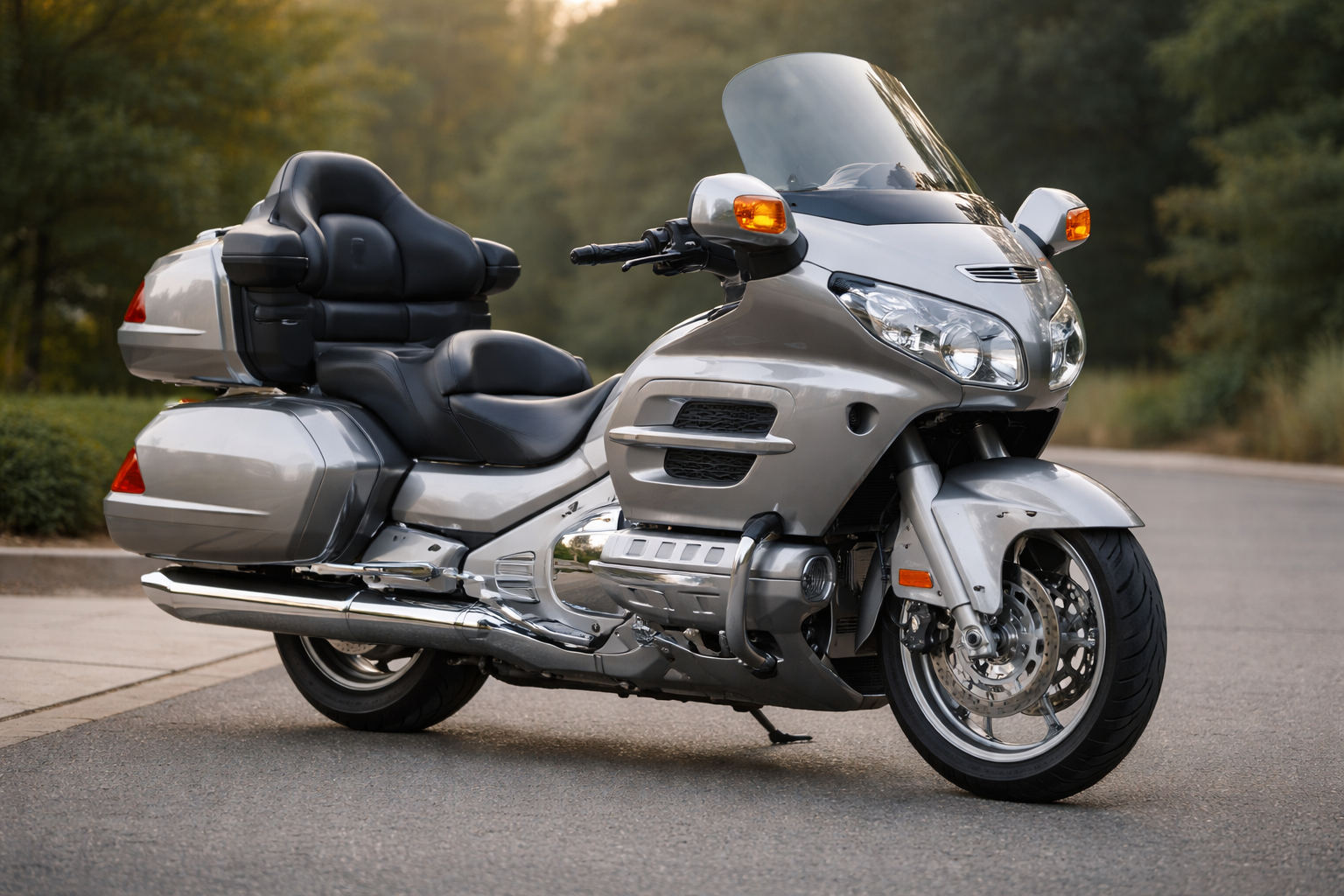
Even a well maintained GL1800 of 2001-2010 may still seem extremely modern on the open road, only to be shown by the passage of time in the details first: a wind noise, worn out plastics, loose trim, rattles everywhere, that weary appearance across the front end. You want to refresh, then begin with that you see most and touch most, and that which keeps you safe when you are moving. It is at this point that the significant difference of the Goldwing GL1800 20012010 outer fairing parts will come in the most as they are the face of the bike and its wind management shell and the place where much of the fit and finish will anchor.
The reason why the 20012010 GL1800 Refresh began with Zones and not with random parts is explained below.
The majority of the owners spend money in a haphazard manner upgrading. The more intelligent approach is to use your GL1800 as three zones.
Front zone is the area where air, stability, rider fatigue are handled.
The fairing area is where Rattles are solved, the look is geared-up, the plane is straight and the whole thing is not overdone.
The back seat is where visibility, comfort by passengers and the utility of luggage are.
By refreshing by zone, you will not have a mix of finishes and you will swap related hardware as a team, and your bike will be left feeling tight and purposeful once again.
Front Zone Upgrades: Visual Reset and Wind Control
On the older GL1800s it is the front end which tells the truth. When the bike appears a little out of shape, chances are that the trim moved, fasteners have become slack or that panels have been taken off and replaced a few times through the years.
The first wind management check to be done
Have the bike on a well-known highway road at highway speed before you order anything, and notice three things; how the helmet buffets, how much the shoulder presses, and where the wind blows on your hands. Those things are what you should put first.
A resprayed front end can for example involve refitting a loose trim, replacing a loose or worn rubber well nut or grommet and repairing panel fit. Even on a smooth engine, the fairing is capable of vibrating and making noise when those small objects are fatigued.
The alignment of the head lights and upper trim is more important than it seems to be
Another typical issue with older wings is cosmetic but irritating: tiny cracks around the area of the headlights, unsymmetrical lines, or a trim which does not fit the same anymore. When you tighten the front and change the old mounting hardware, the front appears sharper and the sound seems less, as there are fewer points to vibrate.
Personally, the initial experience that I had when I had to fix careless panel mounting points in a touring bike, the new bike feeling was instant. This time was the same ride, but the cockpit was less unsettled, as there were no longer little buzzes.
Fairing Zone Upgrades: Door Skin, Trim and the Tight Bike Squeeze
It is the most profitable area since outer fairing components will influence the way it looks, airflow, and can be used in everyday life.
The outer fairing should be restored without giving it an inappropriate appearance
The clean refresh begins with regular finish options. When the rest of your bike is worn paint with a trim that is a little bit dirty, one shiny bit will seem out of place. Better to refresh in related sets, as in similar right and left inner parts, and then cut the pieces around these, then the effect is deliberate.
Also think about function. The outer fairing elements are also cosmetic. They cover internal wiring, hold mirrors and vents and assist in controlling turbulence about the rider.
Tongue-fixing the right way
A combination of worn out clips, missing foam pads and panels that flex due to hardware being worn out is a common cause of rattles. Replacement of the panel alone can be helpful, however, an optimum solution is to restart the mounting system during a replacement.
To make the bike feel tight again, make attention to:
Retainers and panel clips which have lost their grip.
Hardened rubber cushions and grommets, which are broken.
Nuts that can no longer keep their proper tension.
When they are renewed with each other together, the fairing ceases to beat like a drum at some RPMs.
Getting a more contemporary appearance, without being excessive
There are already strong lines in the GL1800 2001 2010. It is not aimed at making it a different bike. Minor visual enhancements, more trim, and reinstated symmetry tend to suffice. Think factory and not show bike. Such a strategy safeguards the resale value as well.
Rear Zone Upgrades: Passenger Comfort, Visibility and Practical Touring
After tightening of the front and fairing, the rear zone completes the refresh to enhance real world touring.
General lighting and visibility improvements that are not frivolous
Faded lenses or poor lighting by modern standards may make the older touring bikes lose their presence in a traffic jam. One of the most useful safety upgrades is refreshing rear visibility.
Although you might leave your style understated, the glasses should be clean, the housings well sealed, and the brightness of the modern type can help the bike to become more noticeable by distracted drivers, particularly during rain or low sun.
The refresh does not include additional passenger comfort
The seat is upgraded and most riders stop at that point. However, passengers determine comfort basing on stability and calm of wind rather than cushioning. After the sorting of the fairing zone, the passenger usually experiences less buffeting and less noise, and this makes the entire bike appear upgraded.
Rear zone comfort is also relatable to the convenience of such changes as increased functionality of luggage and secure attachment, since there is no worse thing in the world than to ruin a tour with a rattling bag.
New vs Used, OEM Style vs Aftermarket Upgrade Planning
The most intelligent refresh is a combination in most cases.
New components are preferred whenever fitting and finishing is a critical factor, or when the old rubber and mounting components are worn out.
Big panels can do fine with used parts, provided you can assure yourself that they are straight, good tabs, and your color.
OEM style replacements can also provide the most factory-like appearance.
Aftermarket choices may be very great when it addresses an established defect, however, they must complement your entire finish strategy in order to ensure that the bike appears to be one whole.
When you are scrimping, save in areas where the bike will speak volumes, like the fit of the panels, fasteners, trim and visibility.
Installation Notes: Get the Appearance of a Pro
A refresh may be beautiful, or may appear as though the bike has been pulled to pieces. The difference is process.
Photo by photo, stage by stage, as you put it down, and change mounting hardware in sets such that the tension across the fairing is uniform. When re-installing panels force alignment is never to be used. When it does not fit in place there is something pinched or re-routed beneath.
It is that little discipline that causes the result that has been finished to appear factory tight.
In conclusion, it can be seen that A Cleaner, Quieter, More Confident GL1800
A 2001-2010 GL1800 does not need refurbishing to keep up with the trends. It is all about regaining the high quality, relaxed touring experience the platform is famous with refining the front end, recreating the fairing fit and rounding out the rear with visibility and touring usefulness. By zoning upgrades, the bike appears more integrated, is natural-quieter to ride and more reliable each time you take it out on a long ride. When its time to refresh your bike to look serious and ride as a well-adjusted machine, use matching parts that fit and bring the fairing back to factory level perfection with ShinyWing.
FAQs
What is the most apparent upgrade area on a 2001 -2010 GL1800?
The first area that the most riders observe is the fairing zone since it alters the looks of the bike, lessens the rattling and enhances the notion of the solidity in the speed.
What do I do to determine whether the fairing rattles are of the panels or the mounting hardware?
When a rattle is altered upon exerting slight pressure on a panel edge or trap line, it is not the panel that is pebbly, but more likely to be hardware, clips, cushions, etc.
Should I wet one side of the outer fairing at a time?
To look good, it is preferable to refresh like pairs. Left and right pieces that wear not at the same rate may appear as a mismatch when one of them is replaced.
Should one repurchase second-hand exterior panels as a renovation?
It may be, when tabs are present, no warping of the part, and color match is satisfactory. Mounting points should be checked always as they lead to poor fit when damaged.
Which is the most reasonable sequence to have a complete refresh?
Begin front zone wind and alignment then fairing zone fit and finish then rear zone visibility and passenger comfort.
