


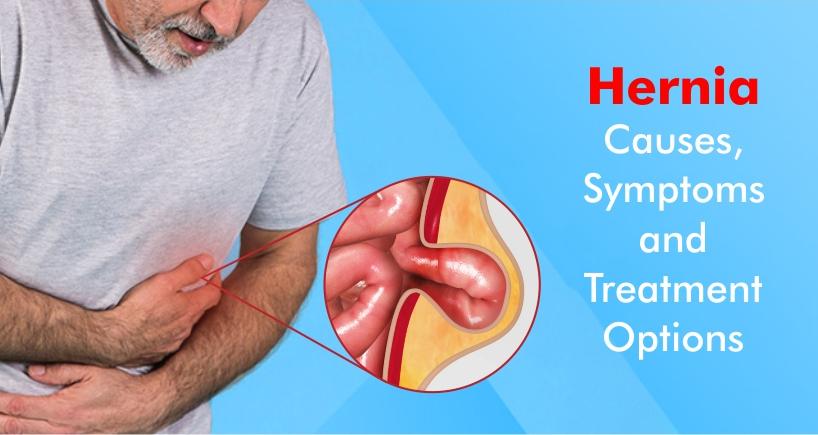
Hernias are a common health concern among seniors, often caused by weakening muscles due to aging, previous surgeries, or chronic conditions. While hernias can affect anyone, older adults require special attention because age-related factors can influence both treatment choices and recovery outcomes. Understanding hernia treatment options for seniors can help patients and caregivers make informed decisions.
Understanding Hernias in Seniors
A hernia occurs when an organ or tissue pushes through a weak spot in the surrounding muscle or connective tissue. In seniors, hernias often appear in the abdomen, groin, or near surgical scars. Common symptoms include:
- A noticeable bulge under the skin
- Discomfort or pain when lifting or bending
- Nausea or digestive issues in severe cases
While not all hernias require immediate surgery, it is crucial to consult a doctor promptly, as complications like strangulation or obstruction can be serious.
Non-Surgical Hernia Treatment Options
For seniors who may face higher surgical risks due to age or underlying health conditions, non-surgical management can be an initial approach. These include:
- Lifestyle Modifications: Avoid heavy lifting, maintain a healthy weight, and manage chronic cough or constipation to reduce strain on the affected area.
- Supportive Devices: Trusses or hernia belts can provide temporary relief by supporting the weakened area.
- Medication: Pain management and anti-inflammatory medications can help alleviate discomfort, though they do not repair the hernia.
While non-surgical treatments can manage symptoms, they do not eliminate the hernia, and monitoring is essential.
Surgical Hernia Treatment Options for Seniors
Surgery is often the definitive solution for hernias, especially if they cause pain or complications. Modern surgical techniques consider the unique needs of older adults:
- Open Hernia Repair: A traditional method where the surgeon makes an incision to push the protruding tissue back and reinforce the weakened area with stitches or mesh.
- Laparoscopic Hernia Repair: A minimally invasive technique using small incisions and a camera, which can result in shorter recovery times and less post-operative pain.
Doctors carefully evaluate a senior patient’s overall health, heart function, and other medical conditions before recommending surgery.
Recovery and Post-Treatment Care
Recovery from hernia surgery can take longer in seniors compared to younger patients. Key strategies to promote healing include:
- Following prescribed physical activity limits
- Eating a high-fiber diet to prevent constipation
- Attending follow-up appointments to monitor recovery
Understanding hernia treatment options for seniors helps caregivers and patients make choices that balance effectiveness with safety and quality of life.
Conclusion
Hernias are manageable with proper care, and seniors have multiple avenues for treatment. From non-surgical methods like lifestyle adjustments and supportive devices to surgical interventions tailored for older adults, understanding the available hernia treatment options for seniors is crucial. Consulting with a healthcare professional ensures the best treatment strategy for a safe and effective recovery.
