


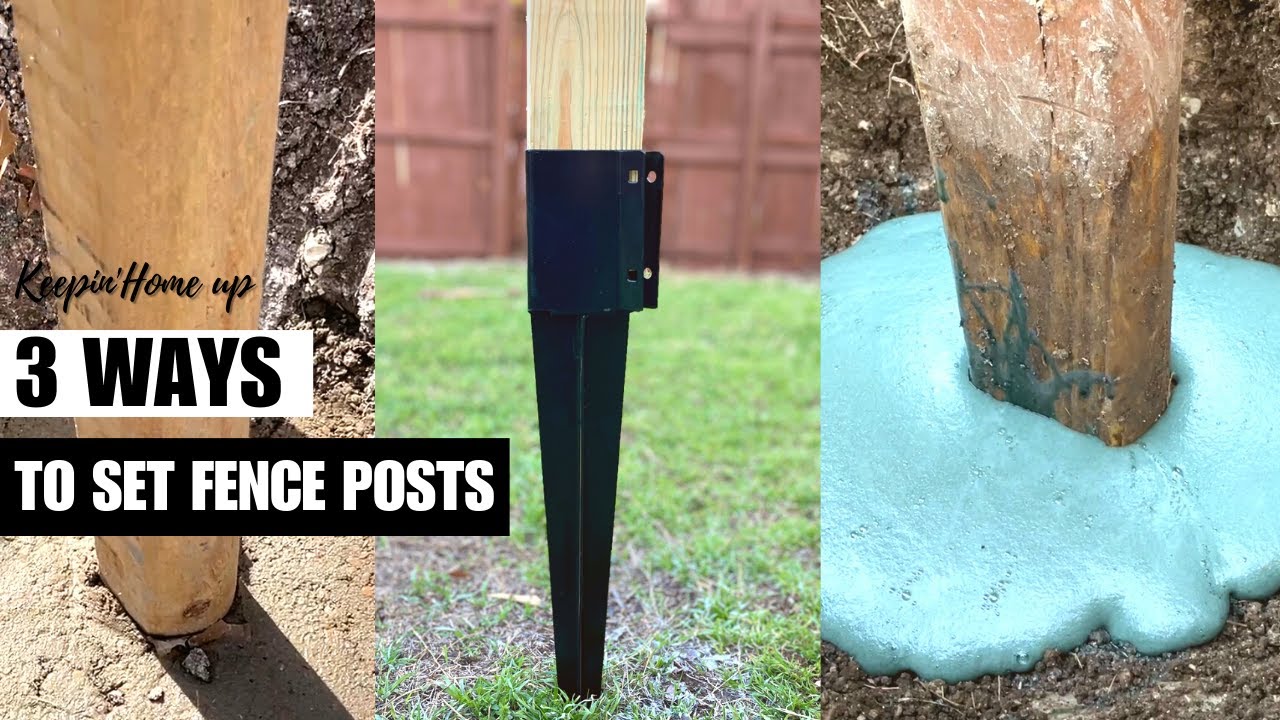
When it comes to building a fence, one of the most critical decisions is choosing the right fence post for every type of yard. Fence posts serve as the backbone of your fence, ensuring stability, durability, and overall aesthetic appeal. With numerous materials and styles available, selecting the perfect post for your yard requires careful consideration.
Types of Fence Posts
Fence posts come in a variety of materials, each with its own set of advantages and drawbacks. Understanding these options is essential when choosing the right fence post for every type of yard.
Wooden Fence Posts
Wooden posts are a classic choice, offering a natural look that blends seamlessly with most landscapes. Treated lumber is resistant to rot and insect damage, making it ideal for residential yards. Cedar and redwood are popular options for durability and beauty. However, wooden posts may require regular maintenance, such as staining or sealing, to prolong their life.
Metal Fence Posts
Metal posts, typically made from steel or aluminum, provide excellent strength and longevity. They are ideal for yards that experience harsh weather conditions or require additional security. Steel posts are extremely durable, while aluminum posts are lightweight and resistant to rust. Metal posts are often used with chain-link or ornamental metal fences.
Vinyl Fence Posts
Vinyl posts are a low-maintenance alternative to wood and metal. They resist rot, insects, and weathering, making them perfect for homeowners who want a hassle-free option. Vinyl posts come in various colors and styles, offering flexibility in design. While they are generally more expensive upfront, their durability and minimal upkeep make them a long-term investment.
Factors to Consider When Choosing Fence Posts
Selecting the ideal fence post isn’t just about material; several other factors influence the decision.
Soil Type
The type of soil in your yard significantly affects the stability of your fence. Sandy or loose soil may require deeper or wider posts, while rocky soil might benefit from metal posts that can be anchored more securely.
Yard Layout
Consider the shape and slope of your yard. Uneven terrain might require posts with adjustable heights or specialized installation methods.
Fence Purpose
Whether your fence is meant for privacy, decoration, or security will determine the type and spacing of your posts. For heavy fences, such as wrought iron or tall wooden panels, stronger posts are essential.
Installation Tips
Proper installation is crucial to maximize the lifespan of your fence. Dig post holes at least one-third of the post’s length, and use concrete for added stability when necessary. Regular inspections and maintenance, such as tightening brackets or treating wooden posts, will ensure your fence remains sturdy over time.
Conclusion
Choosing the right fence post for every type of yard involves evaluating materials, soil conditions, yard layout, and the fence’s purpose. Whether you prefer the classic charm of wood, the strength of metal, or the low maintenance of vinyl, selecting the proper posts will ensure your fence remains both functional and beautiful for years to come. By considering these factors, you can build a fence that not only enhances your yard but also stands the test of time.
