


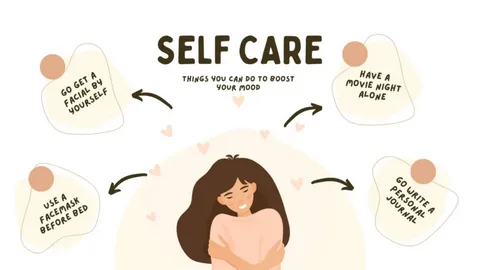
Self-care has changed in recent years. It is no longer limited to face masks or short breaks. People now focus on smarter ways to care for their body and mind. Busy lifestyles, stress, and digital overload have pushed individuals to look for practical and long-term wellness habits.
Modern self-care is about understanding what the body needs and responding thoughtfully. This shift has also increased interest in supportive wellness tools, including Celluma Red Light Therapy, which is often mentioned as part of structured self-care routines focused on gentle and non-invasive support.
What Defines Smart Self-Care
Smart self-care is intentional and informed. It focuses on prevention rather than reaction. People pay attention to daily habits like sleep, hydration, movement, and stress levels.
This approach avoids extremes. Instead of quick fixes, it supports consistency. Small, healthy choices made every day often lead to better long-term results.
Smart self-care also values simplicity. Easy routines are easier to maintain and more effective over time.
The Influence of Technology on Self-Care
Technology has played a major role in shaping modern wellness. Apps track sleep patterns. Devices monitor physical activity. Online platforms offer guided breathing and relaxation exercises.
These tools help people understand their bodies better. They also encourage accountability. When progress is visible, motivation increases.
In wellness and skincare, technology-based solutions are often used to support natural body processes rather than forcing instant changes.
A Separate Look at Light-Based Self-Care Support
As self-care becomes more personalized, non-invasive options are gaining attention. One example is Celluma Red Light Therapy, which is often discussed for its role in supporting skin comfort and natural recovery. When used as part of a balanced routine, it aligns with the smart self-care focus on gentle, consistent support rather than aggressive treatments.
This type of approach fits well with people who prefer calm and preventive care methods.
Why Gentle Care Matters More Than Ever
Many people are moving away from harsh treatments. Gentle self-care reduces the risk of irritation and long-term damage. It also supports the body’s natural balance.
Stress, poor sleep, and environmental exposure can affect overall wellness. Smart self-care practices help reduce these impacts gradually and safely.
Gentle routines are especially helpful for those with sensitive skin or demanding lifestyles.
The Role of Consistency in Smart Wellness
Consistency is a key part of smart self-care. Healthy habits need time to show results. Daily routines build trust between the body and the care it receives.
Simple actions like staying hydrated, taking breaks, and protecting the skin from sun exposure make a difference. Over time, these habits support better physical and mental well-being.
Skipping routines or frequently changing methods can slow progress.
Mental Health and Smart Self-Care
Smart self-care includes mental well-being. Managing stress is essential for overall health. Mindfulness, breathing exercises, and screen breaks help calm the mind.
When mental health improves, physical health often follows. People feel more energized, focused, and confident.
Balanced self-care supports both emotional and physical resilience.
The Future of Self-Care
Smart self-care is not a passing trend. It reflects a deeper awareness of health and wellness. People want sustainable solutions that fit their lives.
Personalized routines and gentle technologies will continue to shape how individuals care for themselves.
Final Thoughts
The rise of smart self-care practices shows a shift toward thoughtful and informed wellness. By focusing on consistency, balance, and gentle support, people can build routines that truly last.
Smart self-care empowers individuals to take control of their health in a calm and effective way.
